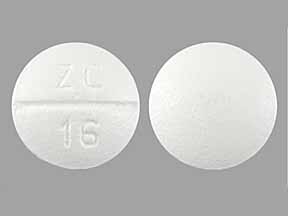
Paroxetine
Generic name: paroxetine [ pa-ROX-a-teen ]
Brand names: Brisdelle, Paxil, Paxil CR, Pexeva
Drug class: Selective serotonin reuptake inhibitors
What is paroxetine?
Paroxetine is an antidepressant that belongs to group of drugs called selective serotonin reuptake inhibitors (SSRIs). Paroxetine affects chemicals in the brain that may be unbalanced in people with depression, anxiety, or other disorders.
Paroxetine is used to treat depression, including major depressive disorder.
Paroxetine is also used to treat panic disorder, obsessive-compulsive disorder (OCD), anxiety disorders, post-traumatic stress disorder (PTSD), and premenstrual dysphoric disorder (PMDD)>.
The Brisdelle brand of paroxetine is used to treat hot flashes related to menopause. Brisdelle is not for treating any other conditions.
Warnings
You should not use paroxetine if you are also taking pimozide or thioridazine.
Do not use paroxetine within 14 days before or 14 days after you have used an MAO inhibitor, such as isocarboxazid, linezolid, methylene blue injection, phenelzine, rasagiline, selegiline, or tranylcypromine.
Some young people have thoughts about suicide when first taking an antidepressant. Stay alert to changes in your mood or symptoms. Report any new or worsening symptoms to your doctor
Seek medical attention right away if you have symptoms such as: agitation, hallucinations, muscle stiffness, twitching, loss of coordination, dizziness, warmth or tingly feeling, nausea, vomiting, diarrhea, fever, sweating, tremors, racing heartbeats, or a seizure (convulsions).
Do not stop using paroxetine without first asking your doctor.
Related/similar drugs
Trintellix, Rexulti, Vraylar, sertraline, trazodone, escitalopram, alprazolam
Before taking this medicine
You should not use this medicine if you are allergic to paroxetine, or if you are also taking pimozide or thioridazine.
Do not use an MAO inhibitor within 14 days before or 14 days after you take paroxetine. A dangerous drug interaction could occur. MAO inhibitors include isocarboxazid, linezolid, phenelzine, rasagiline, selegiline, and tranylcypromine. After you stop taking paroxetine you must wait at least 14 days before you start taking an MAO inhibitor.
To make sure paroxetine is safe for you, tell your doctor if you have:
-
heart disease, high blood pressure, or a stroke;
-
liver or kidney disease;
-
a bleeding or blood clotting disorder;
-
bipolar disorder (manic depression), drug addiction, or suicidal thoughts;
-
sexual problems;
-
narrow-angle glaucoma; or
-
low levels of sodium in your blood.
Be sure your doctor knows if you also take stimulant medicine, opioid medicine, herbal products, or medicine for depression, mental illness, Parkinson's disease, migraine headaches, serious infections, or prevention of nausea and vomiting. These medicines may interact with paroxetine and cause a serious condition called serotonin syndrome.
Some young people have thoughts about suicide when first taking an antidepressant. Your doctor should check your progress at regular visits. Your family or other caregivers should also be alert to changes in your mood or symptoms.
Taking an SSRI antidepressant during pregnancy may cause serious lung problems or other complications in the baby. However, you may have a relapse of depression if you stop taking your antidepressant. Tell your doctor right away if you become pregnant. Do not start or stop taking this medicine without your doctor's advice.
Do not use Brisdelle if you are pregnant.
You should not breastfeed while using this medicine.
Paroxetine is not approved for use by anyone younger than 18 years old.
How should I take paroxetine?
Take paroxetine exactly as prescribed by your doctor. Follow all directions on your prescription label and read all medication guides or instruction sheets. Your doctor may occasionally change your dose.
Swallow the extended-release tablet whole and do not crush, chew, or break it.
Shake the oral suspension (liquid) before you measure a dose. Use the dosing syringe provided, or use a medicine dose-measuring device (not a kitchen spoon).
It may take up to 4 weeks before your symptoms improve. Keep using the medication as directed and tell your doctor if your symptoms do not improve.
Tell your doctor if you have any changes in sexual function, such as loss of interest in sex, trouble having an orgasm, or (in men) problems with erections or ejaculation. Some sexual problems can be treated.
Do not stop using paroxetine suddenly, or you could have unpleasant withdrawal symptoms. Ask your doctor how to safely stop using paroxetine. Follow your doctor's instructions about tapering your dose.
Store at room temperature away from moisture, heat, and light.
What happens if I miss a dose?
Take the medicine as soon as you can, but skip the missed dose if it is almost time for your next dose. Do not take two doses at one time.
What happens if I overdose?
Seek emergency medical attention or call the Poison Help line at 1-800-222-1222. An overdose of paroxetine can be fatal.
What to avoid
Avoid driving or hazardous activity until you know how paroxetine will affect you. Your reactions could be impaired.
Ask your doctor before taking a nonsteroidal anti-inflammatory drug (NSAID) such as aspirin, ibuprofen (Advil, Motrin), naproxen (Aleve), celecoxib (Celebrex), diclofenac, indomethacin, meloxicam, and others. Using an NSAID with paroxetine may cause you to bruise or bleed easily.
Drinking alcohol with this medicine can cause side effects.
Paroxetine side effects
Get emergency medical help if you have signs of an allergic reaction to paroxetine (hives, difficult breathing, swelling in your face or throat) or a severe skin reaction (fever, sore throat, burning eyes, skin pain, red or purple skin rash with blistering and peeling).
Report any new or worsening symptoms to your doctor, such as: mood or behavior changes, anxiety, panic attacks, trouble sleeping, or if you feel impulsive, irritable, agitated, hostile, aggressive, restless, hyperactive (mentally or physically), more depressed, or have thoughts about suicide or hurting yourself.
Call your doctor at once if you have:
-
racing thoughts, decreased need for sleep, unusual risk-taking behavior, feelings of extreme happiness or sadness, being more talkative than usual;
-
blurred vision, tunnel vision, eye pain or swelling, or seeing halos around lights;
-
unusual bone pain or tenderness, swelling or bruising;
-
changes in weight or appetite;
-
easy bruising, unusual bleeding (nose, mouth, vagina, or rectum), coughing up blood;
-
severe nervous system reaction - very stiff (rigid) muscles, high fever, sweating, confusion, fast or uneven heartbeats, tremors, fainting; or
-
low levels of sodium in the body - headache, confusion, slurred speech, severe weakness, loss of coordination, feeling unsteady.
Seek medical attention right away if you have symptoms of serotonin syndrome, such as: agitation, hallucinations, fever, sweating, shivering, fast heart rate, muscle stiffness, twitching, loss of coordination, nausea, vomiting, or diarrhea.
Common paroxetine side effects may include:
-
vision changes;
-
weakness, drowsiness, dizziness, tiredness;
-
sweating, anxiety, shaking;
-
sleep problems (insomnia);
-
loss of appetite, nausea, vomiting, diarrhea, constipation;
-
dry mouth, yawning;
-
infection;
-
headache; or
-
decreased sex drive, impotence, abnormal ejaculation, or difficulty having an orgasm.
This is not a complete list of side effects and others may occur. Call your doctor for medical advice about side effects. You may report side effects to FDA at 1-800-FDA-1088.
What other drugs will affect paroxetine?
Using paroxetine with other drugs that make you drowsy can worsen this effect. Ask your doctor before using opioid medication, a sleeping pill, a muscle relaxer, or medicine for anxiety or seizures.
Tell your doctor about all your other medicines, especially:
-
cimetidine (Tagamet), digoxin, St. John's wort, tamoxifen, theophylline, tryptophan (sometimes called L-tryptophan), warfarin (Coumadin, Jantoven);
-
a diuretic or "water pill";
-
heart rhythm medicine;
-
HIV or AIDS medications;
-
certain medicines to treat narcolepsy or ADHD - amphetamine, atomoxetine, dextroamphetamine, Adderall, Dexedrine, Evekeo, Vyvanse, and others;
-
medicine to treat anxiety, mood disorders, thought disorders, or mental illness - such as buspirone, lithium, other antidepressants, or antipsychotics;
-
migraine headache medicine - sumatriptan, rizatriptan, zolmitriptan, and others; or
-
seizure medicine - phenobarbital, phenytoin.
This list is not complete. Other drugs may interact with paroxetine, including prescription and over-the-counter medicines, vitamins, and herbal products. Not all possible interactions are listed in this medication guide.
Frequently asked questions
- SSRI’s vs SNRI’s - What's the difference between them?
- What are some common side effects of antidepressants?
References
More about paroxetine
- Check interactions
- Compare alternatives
- Pricing & coupons
- Reviews (1,513)
- Drug images
- Side effects
- Dosage information
- Patient tips
- During pregnancy
- Support group
- Drug class: selective serotonin reuptake inhibitors
- Breastfeeding
- En español
Patient resources
- Paroxetine Controlled-Release Tablets patient information
- Paroxetine Capsules
- Paroxetine Suspension
- Paroxetine Tablets
Other brands
Paxil, Paxil CR, Brisdelle, Pexeva
Professional resources
- PARoxetine monograph
- Paroxetine (FDA)
- Paroxetine Capsules (FDA)
- Paroxetine ER (FDA)
- Paroxetine Oral Suspension (FDA)
Other brands
Paxil, Paxil CR, Brisdelle, Pexeva
Related treatment guides
Further information
Remember, keep this and all other medicines out of the reach of children, never share your medicines with others, and use paroxetine only for the indication prescribed.
Always consult your healthcare provider to ensure the information displayed on this page applies to your personal circumstances.
Copyright 1996-2024 Cerner Multum, Inc. Version: 30.01.